
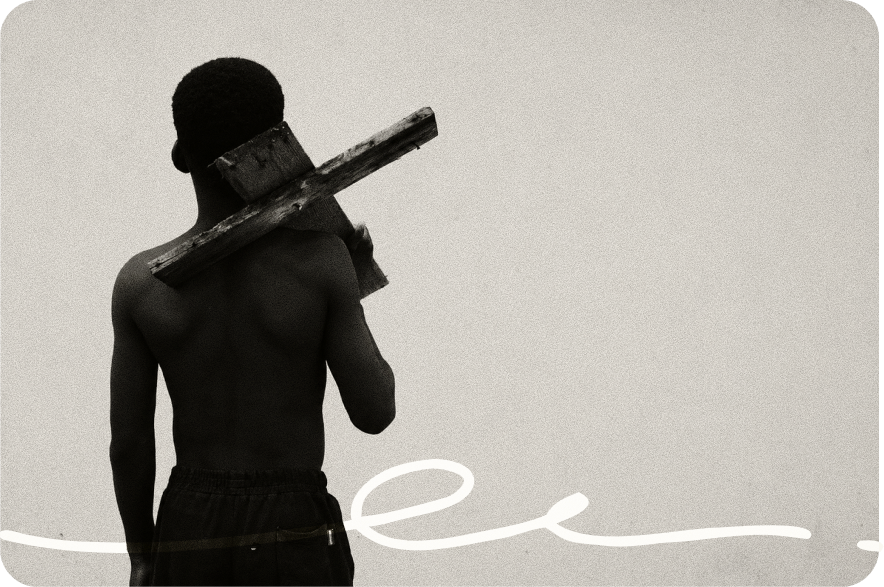
I don’t believe in the cliché that says religion has done more harm than good in Nigeria. Rather, I believe we have horrible people in places of power and influence.
Churches and mosques are meant to be places where high moral standards are upheld. Places where moral scrutiny is not compromised. Or better still, places where it is not supposed to be compromised.
In recent times, we’ve seen an influx of corrupt individuals occupying positions of power, and sadly, our religious houses have done little to call them out. Some even go as far as applauding them because of the hefty donations they make.
I have seen tribalism shape the thinking of supposedly reasonable religious leaders.
I have seen greed drive their actions.
Sermons are filled with encouragement, not towards addressing political apathy, but towards generous tithe and offering.
Vigils are held almost every night across the country, yet not once have members been called to action. Instead, they are taught to pray for God to come down and solve their problems.
Religious houses influence the actions of a lot of Nigerians. It is almost as though the thinking faculty of the average Nigerian is switched off at the mere mention of religion.
Fuel prices increase, and all we say is, “God dey” or “God go help us,” and we adjust.
The same thing happens when insecurity heightens, when bad roads lead to accidents, when food prices become unstable.
All we ever do is wait and wish for God’s intervention without taking proper action.
And the champions of this mindset are the very leaders of our religious houses.
I often think about what this country would look like if we had responsible individuals in places of influence.
If these influential religious leaders taught their congregations not just how to pray, but how to take responsibility for their future and the future of their country.
If faith was not used as a means of escape, but as a foundation for action.
Sometimes, I can’t help but wonder if religion, as it is practiced here, has become a tool that keeps people mentally bound rather than truly free.
I believe the problem isn’t faith itself, but how we choose to use it. We have turned belief into comfort instead of responsibility, into escape instead of action. And our religious leaders, who should guide us towards truth and accountability, have instead reinforced this cycle of passivity. Until they begin to teach not just prayer, but responsibility, and until we start holding them accountable while taking charge of our own realities, nothing will change.
We cannot keep waiting on divine intervention while ignoring the power we already have.