
Few weeks ago, social media was agog with rage and disappointment over the conduct of a police officer who shot and executed a suspect in broad daylight for attempting to receive a waybill containing a gun and a few bullets. The outrage that followed the viral video led to the intervention of the Inspector General of Police, as the officer and his team were immediately arrested and transferred to the Force Headquarters in Abuja for possible dismissal and prosecution for murder.
The grieving mother of the deceased was later interviewed by journalists, and from the video, one could see how miserable the old woman had become over the loss of her son. A few days ago, the child of the arrested officer posted on social media: “I miss my dad; pls Nigerians give him a second chance.” The statement was simple and brief, yet it carried a deeper meaning many of us fail to consider in our daily lives. Though our lives are ours, our decisions, actions, and even inactions often affect the wellbeing of others.
We are not only responsible for ourselves; we are also responsible to those who care about us. Definitely there is no argument about the moral poverty of the officer but beyond the wicked shell, there is a child that calls him father and loves him as such, and whose wellbeing will inevitably be affected by whatever becomes of him. Perhaps if the officer had considered not only the consequences of his actions on himself, but also the indirect consequences on those tied to him emotionally, he might have acted differently.
I have come to realize that many people who claim they have nothing to lose and use that belief as justification for crime and cruelty are often deeply selfish people who care little about those who care about them. They speak as though they are alone in life, forgetting that there are people emotionally connected to them; people whose happiness, dignity, and stability are tied to their existence.
A man may join crime because he feels life has been unfair to him, yet he forgets the mother who prays daily for his safety. Another may indulge in reckless violence because he believes he fears nothing, forgetting the child who waits every evening for his father to return home alive. Some engage in corruption, fraud, and oppression believing they alone will bear the consequences if things go wrong. But reality has repeatedly shown that punishment rarely ends with the offender. Families suffer shame, children inherit trauma, wives become widows of living men, and parents are forced to carry burdens they never created.
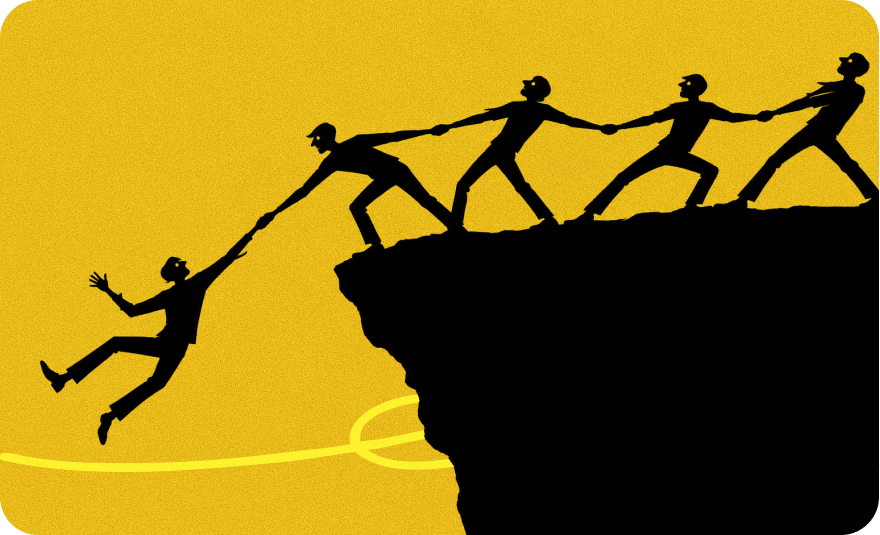
One of the greatest signs of maturity is the awareness that our lives are interconnected. We owe those who love us the duty to live responsibly. Sometimes the reason to walk away from evil is not merely fear of punishment, but the realization that somewhere, someone’s heart may break if we fall.
Perhaps if more people understood that their actions can destroy innocent lives connected to them, our society would become a little less wicked and a little more humane.