There is a version of this conversation that gets derailed very quickly. Someone draws a comparison between two bad things, a sharper distinction is pointed out, and suddenly the entire original argument is abandoned in the scramble to correct the framing. That would be a shame here, because the original argument deserves to survive its imperfect comparison.
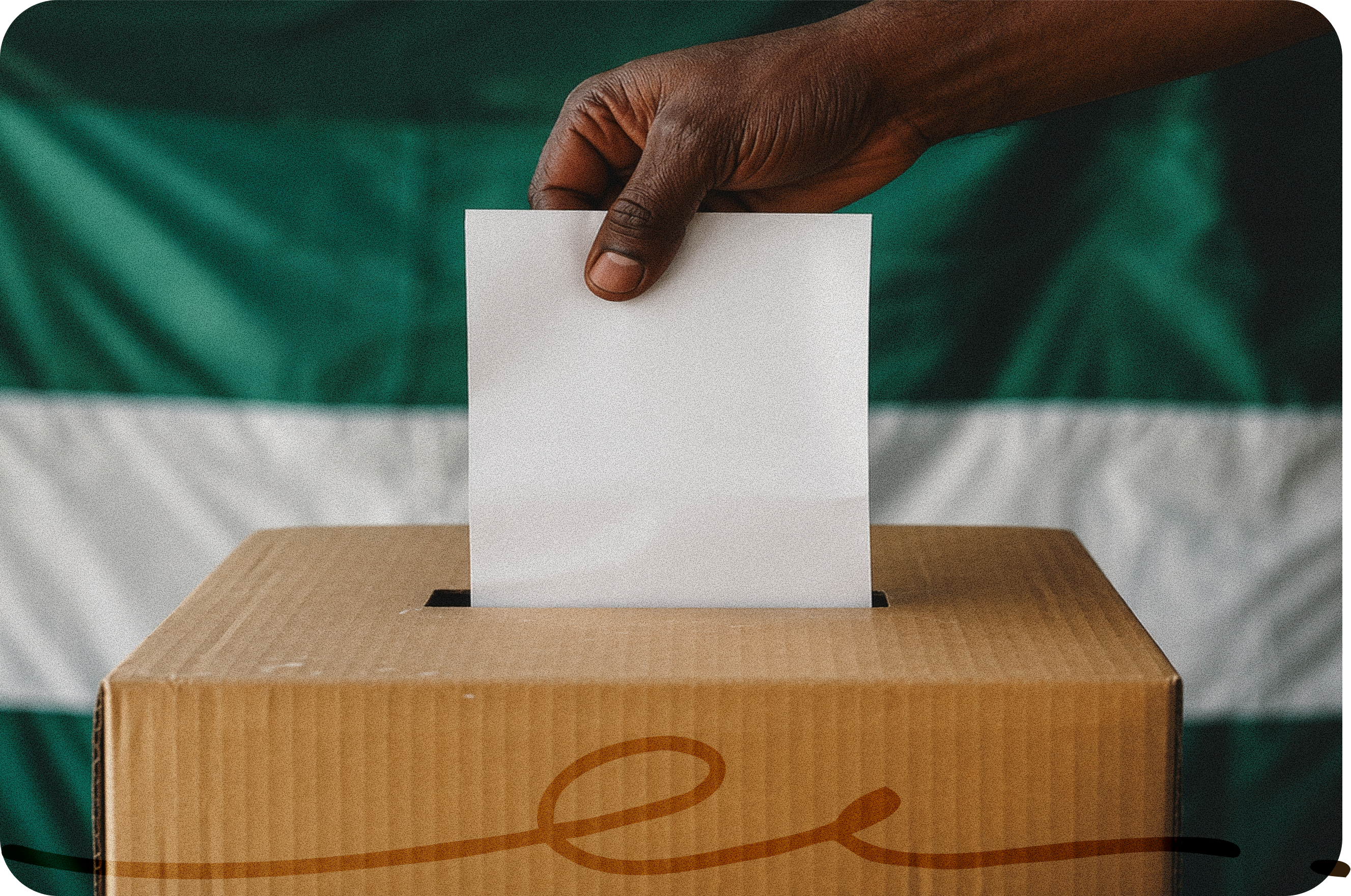
The conversation started with a simple observation: that people who bully, insult and abuse others online simply because they support a different political candidate are, in their own way, doing something anti-democratic. The comparison drawn was to those who snatch ballot boxes at Nigerian polling units, which is a vivid, visceral image of electoral violence that many Nigerians carry in their memory. Critics were quick to respond: one costs lives, the other does not. They are right. The comparison was a stretch. But the underlying argument is not.
What Online Political Bullying Actually Does
Let us be clear about what we are describing. This is not about disagreement. Democratic culture depends on disagreement. They could be loud, passionate, or even uncomfortable disagreement. What we are talking about is the coordinated harassment, the pile-ons, the insults directed not at a candidate's record but at the personal character, intelligence or worth of ordinary people who happen to support that candidate.
This kind of behaviour achieves a specific and measurable outcome: it silences. People who might otherwise share a view, ask a question, or engage in debate choose instead to say nothing. Not because they have been persuaded, but because they are afraid of humiliation, of harassment, and of the social cost of saying the wrong thing in a politically charged space.
This is not a trivial outcome. A person who is bullied into silence has not changed their mind. They have simply been scared out of the public square. Their political perspective, whatever it is worth, has been removed from the conversation. And a conversation where only the loudest and most aggressive voices are heard is not a healthy democratic conversation, it becomes a performance of consensus built on intimidation.
Why the Nigerian Context Matters
In Nigeria, the stakes of political expression have always been high. For decades, elections have been accompanied by genuine violence like thuggery, ballot snatching, voter intimidation and worse. Many Nigerians have paid dearly for their political choices. That history is not background noise; it is the reason the original comparison landed so poorly for some readers.
To invoke that imagery carelessly risks flattening a profound and painful reality. That is a fair criticism, and it should be taken seriously. The loss of lives in electoral violence cannot be folded into a conversation about Twitter arguments without doing a disservice to those who suffered.
And yet, the history of physical intimidation in Nigerian elections should make us more sensitive to the logic of intimidation, not less. The goal of the ballot snatcher and the goal of the online bully are not identical, but they rhyme: make the other person feel that their political choice has consequences. Make them feel unsafe. Make them reconsider whether it is worth it.
Democracy Is Not Just About the Ballot Box
There is a tendency to define democratic participation narrowly, often simply as the act of voting, nothing more. By that definition, online abuse is irrelevant to democracy as long as nobody is physically stopped from casting a ballot. But democracy is broader than the moment of voting. It includes the conversations that happen before, the opinions that are formed and shared, the culture of political expression that either flourishes or withers depending on how people treat each other.
When that culture becomes hostile enough, the effect is chilling. Research on online political participation consistently shows that harassment drives people, particularly women, minorities, and those with less social capital out of public discourse. Their voices are lost, their perspectives are missing from the debate and the resulting conversation is not more democratic for their absence. It becomes less.
The Point That Stands
No one should be insulted, harassed or abused because of who they choose to support politically. Not at the polling unit. Not on the timeline. The severity differs enormously - one can end a life, the other cannot. However, both acts communicate the same message to their target: your choice is not safe here.
A democracy worth the name has to do better than that on both fronts. The conversation about election violence must continue with the seriousness it deserves. And so must this one.