On the 4th of August 2022, I was scammed in what appeared to be a routine palm oil transaction. At the time, it felt like a personal loss. In retrospect, it exposed something more structural: how easily trust can be constructed, transferred, and exploited—especially when it is placed in an intermediary no one has verified.
The interaction began on Facebook. Under a post about palm oil, a woman commented that she had supply available at a reasonable price. There was nothing about her message that raised suspicion. It reflected the everyday nature of informal trade, where buyers and sellers connect casually through comments and direct messages.
When I reached out to her, she responded promptly and moved the conversation to Messenger. We spoke on the phone. She sounded confident, organized, and experienced. That confidence created a sense of legitimacy I did not question.
What I did not know was that she had also contacted the actual owner of the palm oil—someone who had listed it independently on Jiji. Acting as an intermediary, she positioned herself between both of us and controlled the flow of communication. She instructed the seller not to disclose ownership and to present herself as working under her direction.
The seller complied—not out of dishonesty, but out of trust. She believed she was participating in a legitimate transaction coordinated by someone more experienced or better positioned in the market.
On the day of delivery, the seller arrived with the palm oil. I tried to clarify key details directly—the price, the payment, the ownership—but each time, she deferred to the intermediary on the phone. Even when I showed her the account details I was about to transfer money into, she declined to verify them, insisting I follow the process already established.
At that moment, neither of us recognized the vulnerability of the system we were operating in. We were both relying on a third party whose credibility we had not independently confirmed.
I proceeded to make the payment.
Almost immediately, the intermediary became unreachable. Calls failed. Messages were undelivered. The structure we had trusted collapsed in an instant.
What followed was confusion, then clarity. In trying to understand what had happened, the seller revealed that the palm oil was hers and that she had never met or worked with the intermediary. It became clear that we were not participants in a coordinated transaction—we were two individuals independently guided into the same deception.
We later reported the incident to the police and, after much discussion, agreed to share the financial loss equally.
The financial loss mattered. But the deeper impact was psychological.
The scam did not rely on pressure, threats, or obvious falsehoods. It relied on structure—on the appearance of coordination, authority, and process. The intermediary did not need to convince us aggressively. She only needed to position herself as necessary, and we accepted that position without question.
That realization stayed with me.
Since then, I have changed how I approach transactions. I no longer assume that a structured process guarantees legitimacy. I verify identities independently. I insist on direct communication between all parties involved. Most importantly, I question any system that depends entirely on a single point of control.
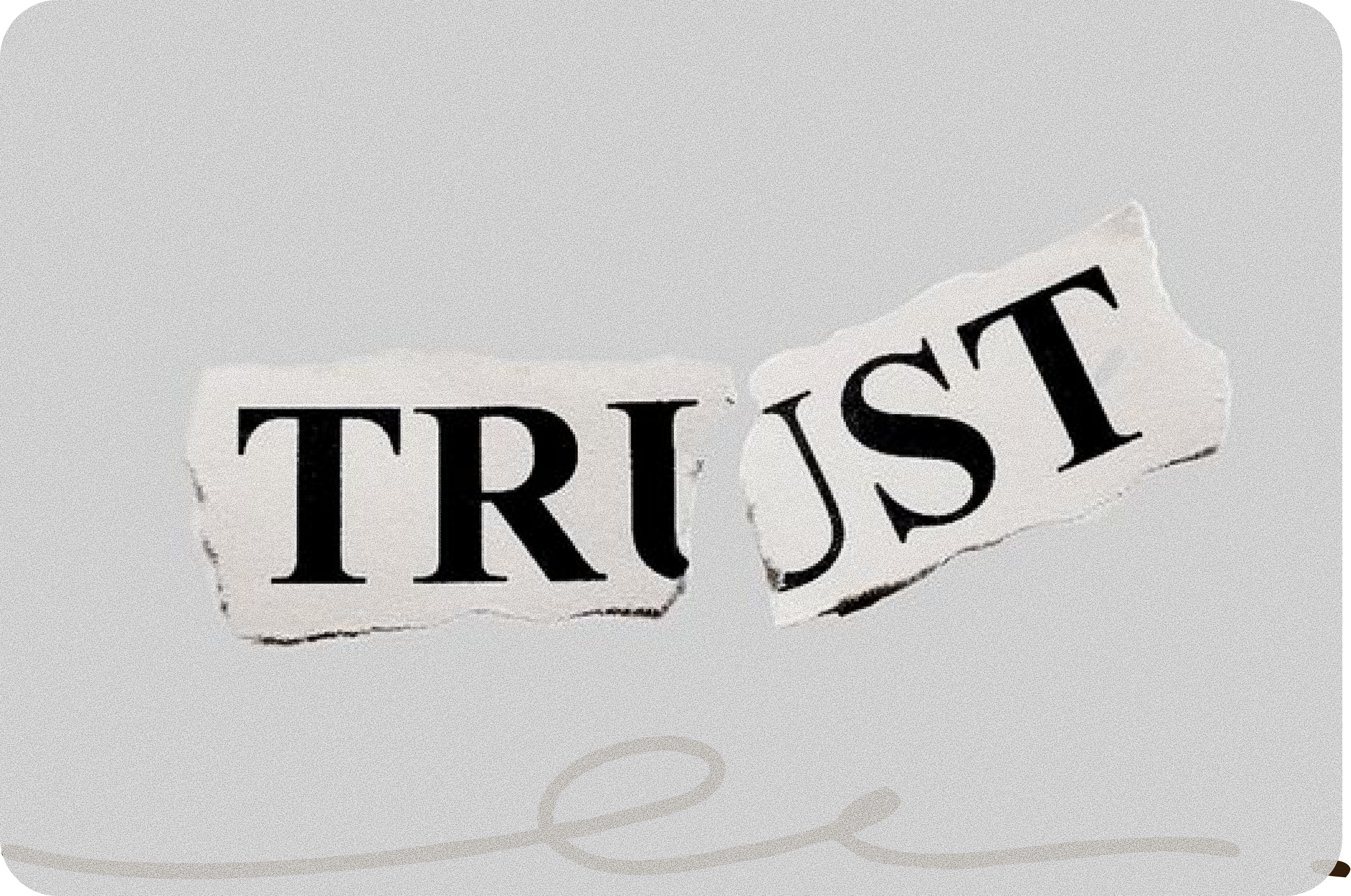
Trust, I learned, is not simply given—it must be examined.
Because sometimes, the greatest risk is not deception itself, but the quiet assumptions that allow it to succeed.