
Title:
The Hidden Crisis in Nigerian Agriculture: Post-Harvest Loss
Excerpt:
Nigeria’s food challenge is often framed as a production problem, yet millions of tons of crops are lost after harvest due to poor storage and processing systems. Understanding this hidden crisis is essential to building a more resilient agricultural system.
What happened:
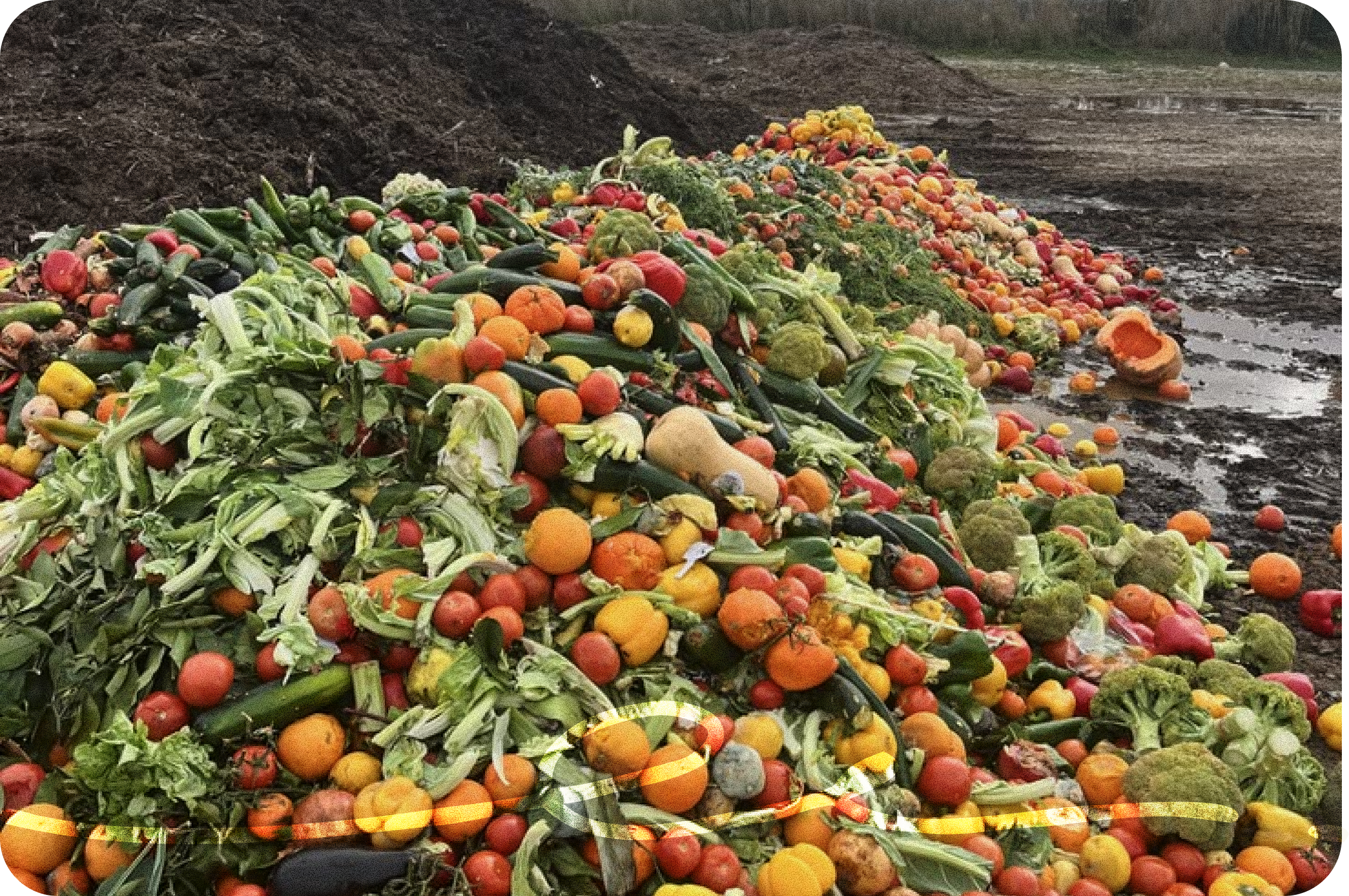
Growing up in a rural community in Nigeria, agriculture was part of everyday life. Farmers worked through long planting seasons with the hope that a good harvest would bring income and stability to their households. Yet I often witnessed a troubling pattern. After the harvest celebrations, piles of maize, cassava, vegetables, and other crops would begin to spoil within days because there were no adequate drying, storage, or processing systems.
What should have been a season of profit gradually turned into a season of loss. Farmers who had invested months of labor watched their produce deteriorate before it could reach the market. In many cases, they were forced to sell at extremely low prices simply to avoid losing everything.
What I felt
Watching this cycle repeat itself was frustrating. It raised difficult questions about the structure of our agricultural system. Farmers were doing their part—cultivating the land, managing crops, and producing food in large quantities. Yet the system around them seemed unable to protect the value of their work.
There was a painful contradiction in seeing food spoil in rural communities while many households in cities struggled with rising food prices. It felt as though the problem was not simply about producing more food, but about preserving the food that was already being grown.
What I learned
Over time, I began to understand that Nigeria’s food crisis is not only about production. It is also about what happens after harvest. According to the Food and Agriculture Organization (FAO), a significant percentage of food produced in developing countries is lost between harvest and consumption due to poor handling, storage, transportation, and processing infrastructure.
For smallholder farmers, these losses translate directly into reduced income and economic instability. For the country as a whole, post-harvest losses weaken food security and place unnecessary pressure on agricultural production systems. Instead of maximizing the value of what is already produced, the system absorbs waste as a normal outcome.
Addressing this challenge requires more than increasing yields. It requires investment in post-harvest infrastructure such as drying technologies, storage facilities, cold chains, and local processing centers. These systems extend the shelf life of agricultural produce and allow farmers to access better markets.
In many rural communities, even simple technologies like improved drying methods can make a significant difference. When crops are properly dried and stored, farmers gain more time to sell their produce and negotiate better prices. This not only protects their income but also strengthens the resilience of local food systems.
The question I am still holding
If farmers across Nigeria are already producing significant quantities of food, why has so little attention been given to the infrastructure needed to preserve what they grow?
Perhaps the future of agriculture in Nigeria will not be defined only by how much food we produce, but by how well we protect the value of the harvest.