
The projector in the Oduduwa University lecture hall made a low, mechanical noise. It was Tuesday afternoon, and the room was so hot that it felt like it could be cut. But the fifty or so students in front of me were paying close attention.
I stood at the front of the class with a dry-erase marker and pointed to a colourful bar chart on the wall. As the campus lead for a well-known digital savings platform, my main job was to teach people how to save money. Tell people about compound interest, mutual funds, and having money set aside for emergencies.
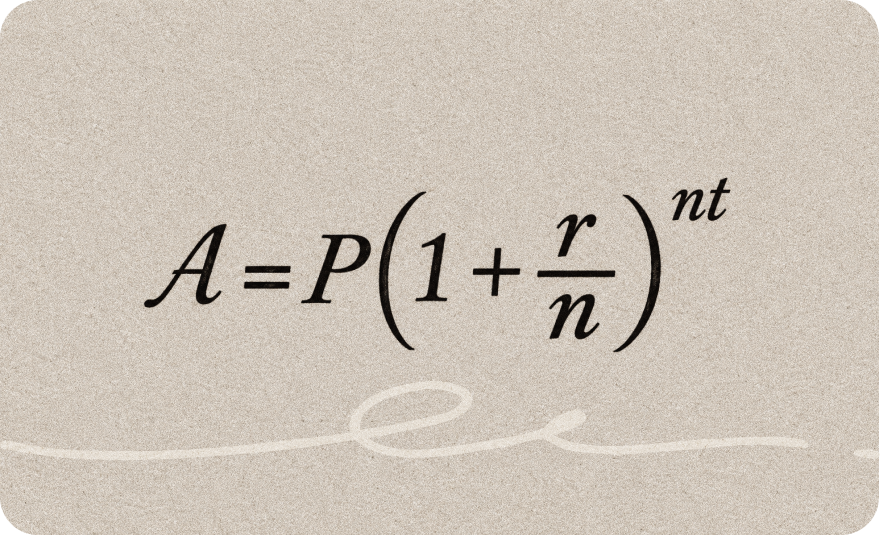
I told the group, "If you save just ten thousand Naira a month and put it in a high-yield portfolio that earns fifteen per cent a year, you will have built a base by the time you graduate." You will have a safety net.
I saw them write down notes. Some people were using their phones to do the maths. They were eager and hungry for a formula that would make sure they had a safe transition into adulthood. They thought that if they were just disciplined enough, they could outsmart the world around them.
But when I saw the numbers glowing on the whiteboard, I felt a cold, heavy knot in my stomach. I study engineering, and everything I learn in school is based on the laws of physics, structural integrity, and absolute variables. When a system gets a load that is too heavy for it, it breaks. The maths has to work out.
I realised that the maths I was teaching them didn't add up when I looked at that board.
I was teaching them the maths behind a working economy. I was giving them the plans for a house, even though I knew that there was a huge, slow-moving earthquake going on underneath us.
With inflation rates well over 30%, the "high-yield" 15% return I was so excited about wasn't making anyone rich. It was just making their poverty last longer. By the time these students graduated in two years, the money they had saved up by not eating would probably only be worth half of what it is now.
A third-row student raised his hand. "Please, if I keep saving this much, will it be enough to rent a flat in Lagos when I go for NYSC?"
Everyone in the room was quiet, waiting for the expert to speak. I looked at him. I saw the need that was hidden behind the curiosity. He wasn't asking about compound interest; he was asking for permission to feel safe. He wanted to know if the system still worked.
I made my glasses fit better. "It will give you a very strong start," I said smoothly, giving the corporate, diplomatic answer. "It gives you an edge."
It wasn't a complete lie, but it wasn't the truth either.
The truth is that the usual rules for making money have been put on hold in our country. People used to say, "Go to school, get a degree, save ten per cent of your income, and eventually buy a plot of land." This is now a nostalgic myth.
We are a generation that has to do extreme financial engineering just to keep things the same. We are putting together six-person development teams, taking freelance jobs at midnight, and looking for remote tech jobs that pay in foreign currency. We're not too ambitious; we just need to make more money than we can in the local economy. We're using 21st-century digital tools to keep ourselves safe from a 20th-century economic collapse.
After the seminar was over and the students had left, I put my laptop away. I felt like a man who had just taught a master class on how to build a state-of-the-art safe, even though I knew that the money we were putting inside it was made of ice and the safe was in the sun.
We keep teaching people how to be tough. We keep teaching people how to be self-disciplined. But until the big picture of our economy is fixed, our best financial plans are just ways to deal with problems. We are making plans for the future and hoping that nothing happens to change them.