
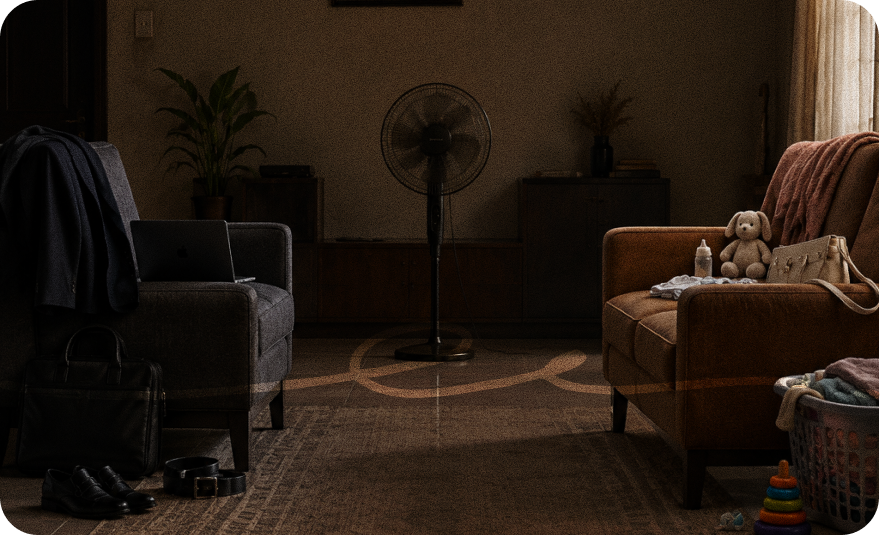
Gender conflict is not a natural clash of dislike between men and women. It is a socially constructed war fueled by mistrust, misunderstanding, and unexamined expectations. Men are expected to make money, build a family and support that family with the money he's made. Tagged a "breadwinner". A role he has no full understanding of but must fill. Women on the other hand are expected to support that man, bear him children, help raise the children and of course keep the house clean. Our classic "Home bearer". Now we have two parties living under one roof, bearing responsibilities none of them are prepared for, settling difficulties and misunderstandings that shouldn't LAST LONG. With society bearing down on them hoping and debating whether the marriage would LAST LONG. Trust that they are always looking and waiting.
Feminism, at its core, is about equality. It challenges historical imbalances that have restricted women’s opportunities, voices, and independence. Yet, despite its intentions, feminism is often misinterpreted as an attack on men rather than a call for fairness. Simultaneously, men face societal pressures that confine them to rigid roles. strength without vulnerability, success without failure, control without hesitation. These overlapping pressures create a tense environment where genuine dialogue becomes difficult, misunderstandings and conflicts are easily amplified.
The first source of gender conflict lies in how movements like feminism are perceived. Instead of sparking constructive discussion, misinterpretation sets in and generates defensiveness on levels that are barely managed. When such calls for equality are seen as threats, people instinctively push back. Generalizations about "all men"or "all women" emerge, and assumptions replace individual understanding. Over time, this breeds a culture of mistrust, where conversations are always framed as confrontations. People begin to speak not to be understood or convey and opinion, but to defend themselves, reinforcing the very conflict they seek to avoid. It's a disaster really. A man does something but a discussion ends with "chai men". A woman cheats and another discussion ends with " Trust women at your own risk". Maddening.
The second factor here is the burden of gendered expectations. Like I said, men are often pressured to suppress emotions and prioritize dominance, while women are expected to navigate societal hurdles, barriers and social judgment. These expectations clash to create frustration on both sides. When both struggles are ignored or dismissed, deemed irrelevant, resentment grows, feeding into the already expanding cycle of misunderstanding. What appears to be hostility or dislike is often just the manifestation of these unacknowledged pressures, amplified by fear of judgment and repeated miscommunication.
Some people would argue that gender conflict is inherent. That men and women are fundamentally at odds due to their biological, psychological, or social differences. While there are differences between individuals, concluding that gender tension as inevitable, ignores the structural and cultural causes that shape behavior. Men and women are not naturally opposed; conflict is manufactured by stereotypes, societal narratives, repeated misinterpretations and biased judgement. Accepting it as unavoidable only fuels mistrust and prevents the growth of actual genuine communication and understanding.
If I were to conclude, in reality, the problem is not that men and women do not like each other. It is that we have stopped trying to. Mistrust has replaced a genuine communication, distance has replaced empathy, and misguided confrontation has replaced understanding. Gender conflict is a learned war, not a natural one, sustained by our own assumptions, defensiveness, and silence. We have learnt to hate each other for reasons we don't fully understand or want to understand. If progress is to be made, it requires more than recognition of inequality. It requires intentional effort to rebuild that trust, listen deeply, and challenge the scenarios, foundations and frameworks that encourage the division. Until then, the war continues, not because we want it, but because we’ve allowed it to become comfortable.
We have allowed it to stay and we are allowing it to grow.