
When Nigeria discovered oil in commercial quantities, it was celebrated as the dawn of prosperity. The black gold beneath our soil was supposed to lift millions out of poverty, fund education, build infrastructure, and secure our place as the “Giant of Africa.” Yet decades later, the story feels more like a tragedy than a triumph. What should have been a blessing has, in many ways, become a curse.
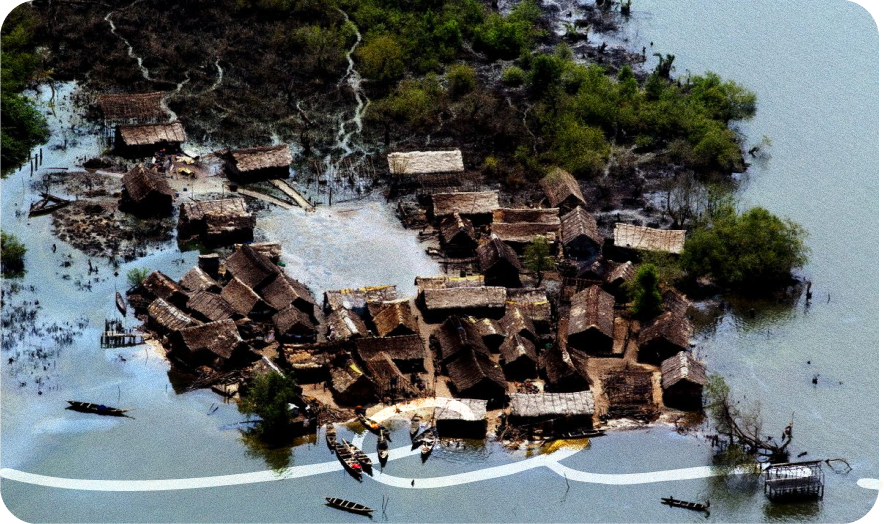
Oil dependency reshaped Nigeria’s economy. Agriculture, once the pride of our nation, was abandoned. Cocoa farms in the West, groundnut pyramids in the North, and palm oil plantations in the East faded into memory. Villages that thrived on farming now struggle with polluted rivers and infertile soil. In the Niger Delta, I have seen communities where children grow up surrounded by oil spills instead of clean water, their futures poisoned by the very resource that was meant to secure them. Gas flares light the night sky, but they do not light homes. The wealth of oil has not translated into wealth for the people; instead, it has deepened poverty and widened inequality.
The curse is not only environmental — it is political and social. Oil revenues became a tool for corruption, fueling greed and power struggles. Militants rose in protest, demanding justice for their devastated lands, while politicians used oil money to secure influence rather than build schools or hospitals. Loans were taken against future oil profits, leaving Nigeria trapped in debt. Foreign lenders smiled, knowing our natural resources guaranteed repayment, while ordinary citizens bore the weight of rising inflation and unemployment. Every barrel of oil seemed to enrich someone far away, while impoverishing those closest to its source.
What makes this reality more painful is the contrast. Countries without oil — some without even fertile soil — have managed to build thriving economies through innovation, discipline, and investment in human capital. Meanwhile, Nigeria, blessed with abundant natural resources, has become one of the most indebted nations in Africa. How did abundance lead us here? Why has plenty produced scarcity?
Perhaps the answer lies in how we define wealth. Oil gave us money, but it took away resilience. It made us dependent on one resource, blind to the potential of others. It made us forget that true prosperity comes not from what lies beneath the ground, but from what we build above it — schools, industries, ideas, and communities. Natural resources should have been a foundation, not a crutch. Instead, they became a trap.
And yet, I do not believe the story is finished. A curse can be broken. Nigeria still has the chance to turn its resources into a blessing, but only if we learn to diversify, to invest in people, and to protect the environment. Oil should not define us; it should support us. Agriculture, technology, and creativity must return to the center of our national vision. Only then will the promise of abundance be fulfilled.
Natural resources are neither inherently good nor bad. They are mirrors, reflecting the choices we make as a society. In Nigeria, they have reflected greed, neglect, and short-sightedness. But they could also reflect wisdom, justice, and renewal. The question is whether we are ready to change the reflection.