
Last year, a notification lit up my phone a post from an old secondary school classmate. Bright smile, sharp suit, standing in front of a sleek office building. “Grateful to God for another promotion. Two jobs, steady income, and still making time for the vision. What’s your excuse?” The likes poured in. Heart emojis. “Inspirational!” “This is the energy!” “God when?”
I stared at the screen longer than I should have. This was the same guy I sat next to in SS2. We copied notes from each other during exams, complained about the same wicked Chemistry teacher, and dreamed the same vague dreams of “making it.” Now here I was university graduate, sending out applications into the void, surviving on small side gigs and family support while he seemed to be living the Lagos success script. Every few weeks, another post new laptop, client meetings, “hustle paid off.” Each one landed like a quiet accusation. Why not you?
I began to measure my own life against the feed. The comparison was merciless. My reality felt small and stagnant shared rooms in a face-me-I-face-you apartment, NEPA taking light at the worst moments, and the constant mental math of “transport or food this week?” His posts painted a different Nigeria one of breakthroughs and testimonies. I told myself to be happy for him. But privately, the question gnawed Is life this unfair, or am I just not trying hard enough?
Then came the call in 2020, during the thick of COVID lockdowns.
“Bros, please. Anything you can send. Things are tight. Family dey hungry.” His voice was low, almost embarrassed. He needed money for food. I sent what I could scrape together, small but sincere. He promised to return it once his “alert” came. I didn’t ask questions about the promotions or the flexes. Days later, another post appeared on his page same polished smile, caption about resilience and God’s faithfulness.
That was the moment the illusion cracked.
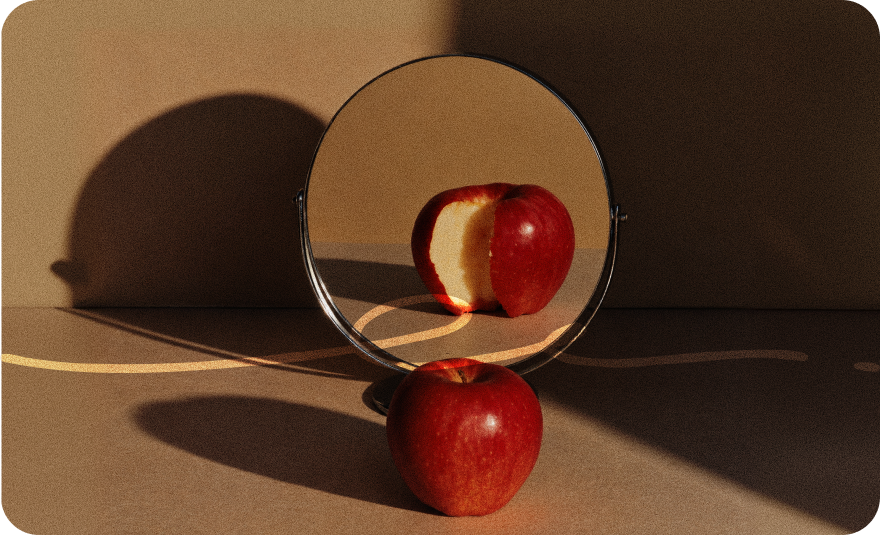
Social media in Nigeria has become a carefully curated stage. We perform success because the ground reality is often too heavy to carry publicly. The economy squeezes everyone inflation that makes garri feel like a luxury, job scarcity that turns graduates into professional applicants, and a hustle culture that equates visibility with value. In this environment, the flex becomes both shield and currency. Post the wins. Curate the highlights. Hide the debts, the bounced cheques, the nights you ate once a day. Because in a country where opportunities often flow through perception and connections, showing struggle can close doors before they even open.
My classmate wasn’t the villain. He was navigating the same system many of us do. The pressure to project “I’m winning” is intense, especially among peers. A single vulnerable post can invite mockery, unsolicited advice, or worse pity that damages future prospects. Employers scroll. Family expects remittances. Friends compete in the unseen championship of “who is doing better.” So, we edit our lives. We post the new phone but not the loan that bought it. We celebrate the contract but not the anxiety attacks that came with delivering it.
This performance comes at a cost. It distorts our collective sense of reality. Young people internalise the highlight reels as the norm, leading to quiet despair when their own lives refuse to match the script. Mental health suffers in silence. Genuine connections erode because we are relating to versions of each other, not the full, flawed humans. And when the mask slips as it did with that desperate call the shame is deeper because the gap between the projected image and the private struggle feels like personal failure.
Yet the deception runs both ways. I had allowed his posts to define my self-worth. In doing so, I ignored my own small, unseen victories, the resilience to keep applying, the discipline to learn new skills during blackout nights, and the community of friends quietly supporting one another without fanfare. Ground reality, for all its harshness, is where real growth happens away from the validation metrics of likes and comments.
We need a different posture toward the screen. One that recognises social media as a tool, not a mirror of truth. Share the wins, yes but perhaps with more honesty about the cost. Celebrate the process, not just the polished result. We should, on the other side, train ourselves to consume with discernment. Pinch of salt. Plenty of empathy.
My classmate eventually paid back part of the money, years later. We don’t talk about the gap between his posts and that call. But the experience taught me something valuable about Nigerian life in this digital age the flex is often loudest where the struggle is deepest. True success might look less glamorous on the timeline steadier, quieter, rooted in reality rather than performance.
Because in the end, the ground doesn’t lie. And neither should we, at least not to ourselves.