
I was trying to rest when my sister started crying.
We were sharing the room that afternoon. She sat on the floor surrounded by cellophane, ribbons, glue sticks, and balloons, working on a surprise package for a customer. It was a hot air balloon arrangement—one of those designs that looked effortless only after hours of careful work.
Then the plastic support stick bent under the weight, the balloon tilted, and the entire structure collapsed into itself. Instead of reaching for the glue gun or trying to figure out what had happened, she pushed her chair back, burst into tears, and walked out of the room.
I set my plate aside and walked over to the table. I traced the problem back to its source: the single plastic support stick wasn’t rigid enough to carry the balloon’s weight. I reinforced the stem with a second support stick, adjusted the balance, secured the weak points with hot glue, and rebuilt the parts that had shifted. One small adjustment led to another until the balloon stood upright again.
When my sister walked back into the room, she stopped in the doorway, smiled as she wiped her face, and sat down to finish tying the ribbons.
That reaction wasn’t unusual. Whether it was my sister, my cousins, or another family member, I was usually the person people called when a project stalled. When I was learning to sew, my fashion tutor often wondered why I rarely asked for help. While other students called her over at the first bunched stitch, I preferred to sit with the machine in silence. I’d unthread the spool, check the bobbin, adjust the tension, search for a manual online, and stitch the seam again until the line ran straight.
Asking for help rarely occurred to me first. My instinct has always been to understand why something stopped working before deciding what to do next. While other people focused on the mistake, I found myself looking for its cause.
Of course, not every problem can be solved by doubling a support stick or rethreading a sewing machine.
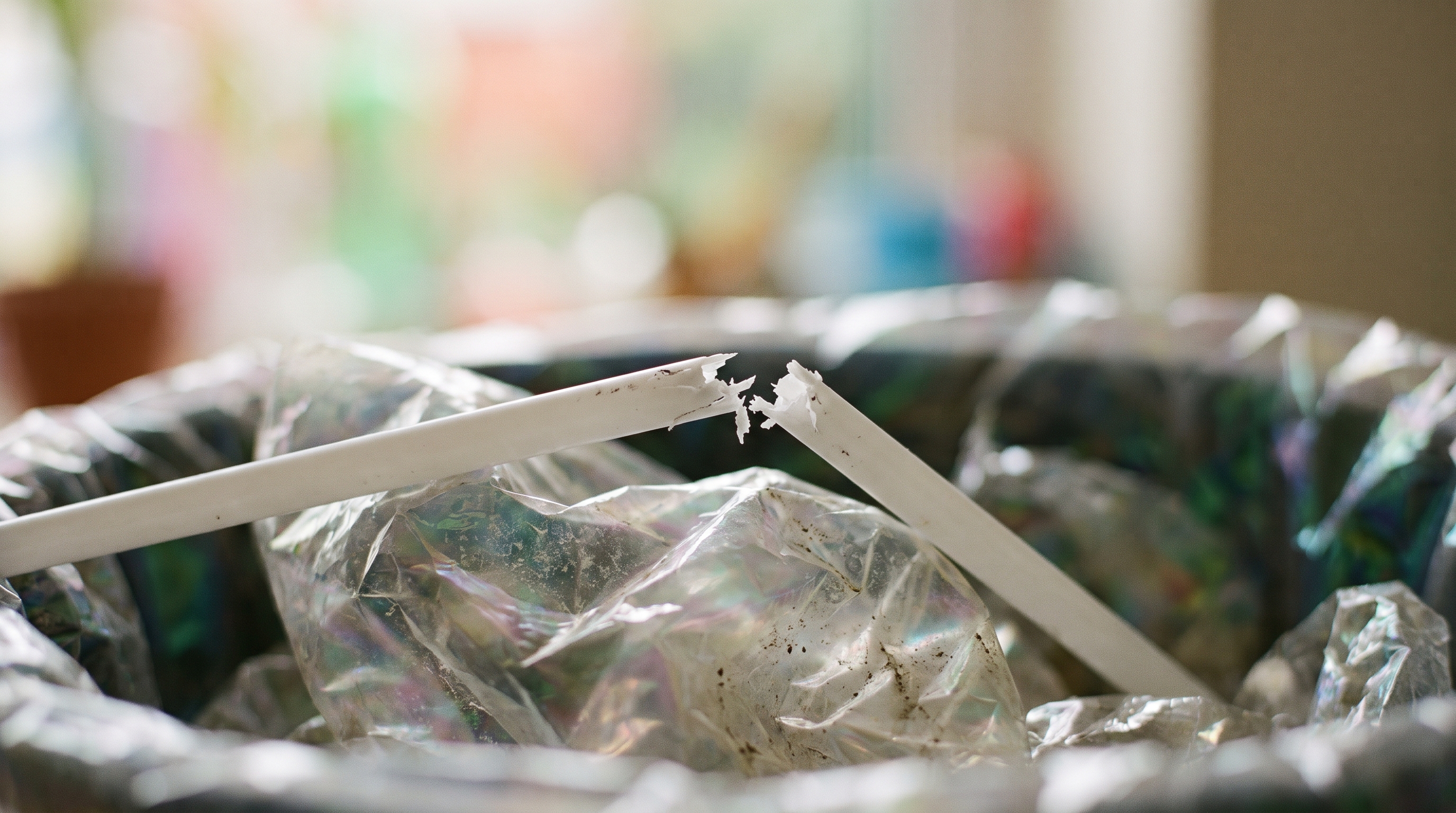
A few hours after my sister completed the package, she loaded it into a taxi to deliver it to her customer. On the way there, the vehicle hit a rough stretch of road. The arrangement slid off the seat and crashed onto the floorboard. She panicked. Instead of continuing to the customer’s house, she paid for another ride back home, carrying what remained of four hours of careful work. The plastic support sticks had snapped in half. The base had split down the middle. The paper support was creased beyond saving.
She placed the broken arrangement on the table and looked at me, waiting for me to fix it again.
I believed I could. I picked up one of the snapped support sticks and turned it over in my hands, looking for another solution. I tried fitting the broken pieces together, tested different angles, and searched for something I had overlooked. For a few minutes, I kept doing what I had always done—looking for the fix.
Then I stopped. It wasn’t that I hadn’t found the right technique. There simply wasn’t anything left to repair. We gathered the ribbons that hadn’t been damaged and hurried to the market. Finding the exact materials wasn’t easy. The color my sister’s customer wanted wasn’t in the first shop, or the second, or the third. We moved from one vendor to another until we finally found it. The price was higher than we had planned for, but by then we had no choice. We bought it, hurried home, salvaged what we could, and rebuilt the arrangement from scratch.
Twenty minutes later, my sister walked out the door with a clean, intact order. It wasn’t the same hot air balloon she had spent four hours building that morning, but it was exactly what her customer needed.
As she left, the snapped plastic sticks and crumpled paper were still sitting in the trash. For the first time, I didn’t feel the need to pick them up. We had already found our way forward.