
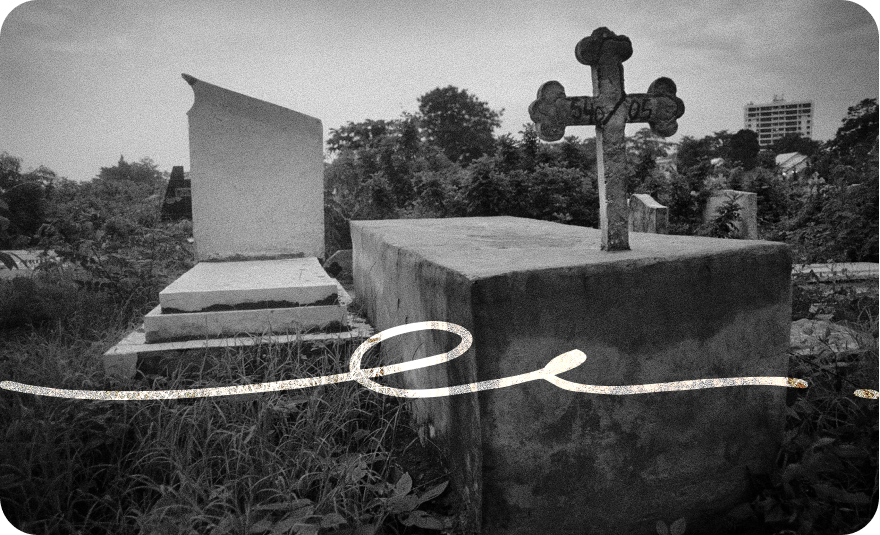
Since time immemorial, humanity has always been puzzled by the question of what happens after death. Is there another life after this life? Man’s attempt to answer this question has had far-reaching ripple effects on his living experience and has largely shaped his behaviour across multiple cultures.
Death is a very grievous experience hence many cultures and religions have burial rites for someone who just lost their life. Some even have rites for those left behind by the deceased. The many rituals attached to the experience of death are not merely because a life has been lost. It is because, first, humans believe that a dead person can in some way, still have some impact in the world of the living, and secondly, that a dead person in this world goes on to exist in another world. In many cultures, death is a transition, not the conclusive end of a person’s existence.
It will be appropriate at this point to start examining many cultures in different places and their beliefs about death and the afterlife. However, that will be an endless voyage, due to the fact that there are thousands of cultures, if not millions all over the world. I’ll rather skim through a few religions. The major religions are practiced by most of the world’s population, and they also have their own beliefs about death and the afterlife. And religious practices have, in fact, replaced the practice of many traditions in many places globally.
Christianity teaches that the human soul exists after death and will face divine judgement. Those who believe in Jesus and live according to his will go into eternal life, while others are separated from God to eternal damnation in a burning furnace (John 3:16-18, Revelation 20:11-15, KJV Bible). Islam is also quite similar to this. It also teaches that everyone will be resurrected and judged by Allah on the day of judgement. The righteous are rewarded with paradise, known as Jannah, while evil doers and sinners will be punished in a place of fiery torment known as Jahannam (Surah Al-Baqarah 2:25, Surah Al-Nisa 4:56, The Holy Quran). Hinduism introduces the reincarnation (samsara) into the picture. The belief is that the soul (Atman) undergoes multiple cycles of birth, death and rebirth in different places, which is determined by Karma (Bhagavad Gita 2:20-27).
These are vastly different religions, but a common theme appears here: that death in this physical world is not the end of a human life. Man, therefore, longs to experience a blissful life after he exits this reality. A blissful afterlife is an underlying motivation for a lot of our actions. Religious people want it, theists and traditionalists all desire a better place after their life in this world. This desire I think, is due to the challenges man faces in this world. The problems, mishaps, worries, difficulties, grief, poverty, accidents, disasters, etc. The prospect of a blissful afterlife ready for you without your effort is sweet to the ears, as long as you believe in the right God and you live righteously. An eternal life of bliss after a life of troubles in this temporal world.
Whether there is an afterlife or not, the world would be a better place if humans would do right by other humans. Peradventure if we do, the problems in this world that inspire the longing for an eternal afterlife of bliss would reduce drastically.