I usually will come upon a profound statement in my nomadic doomscrolling on social media, usually on Twitter. These statements trigger deep thinking and philosophizing, and then I end up having extended and expanded thoughts on it. The title of this article is one of such statements because it explains a lot about human behaviour. It really makes you understand some things you misunderstood about people and about yourself in the past.
It means that what people say they will do or what they are capable of doing is not always what they will do. Actions are determined by rewards, risk of loss, punishment, validation, risk/reward ratio, return on investment, financial gain, or some other material or immaterial value to be gained from that action.
This, I believe, is why data is brutal. You can have all the intentions in the world, but your actions follow a pattern. The incentives that motivate you to do what you do make you act consistently in similar ways, hence behavioural patterns. Now why does this intention-action gap exist? Forming intentions only takes a thought. Neurons fire in the brain, and an intention is formed. Behaviour on the other hand, has practical, real-life implications on your energy, time, attention, resources, and relationships. Behaviour is expensive, so you find it difficult to follow through with intentions exactly as intended. You negotiate, and an incentive is the only real, sufficient motivation that will push you to put in the effort to act.
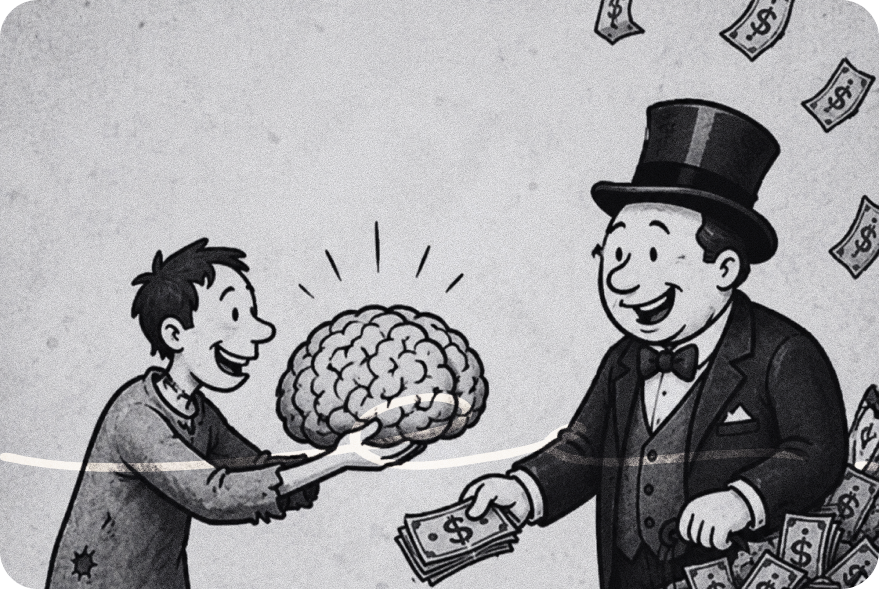
Economists understand this about human behaviour. Some economic policies are regulated by this truth. For example, if teachers are paid based on students’ performance, teaching strategies will change. If a company rewards their sales persons solely based on quantity of items sold and income earned, marketing tactics will change. If schools’ rewards exam scores rather than actual understanding and application of knowledge, students will change how they study. In Nigeria, everyone decries the social decay of citizens collecting money, food and other items from politicians in exchange for votes, yet this happens year in year out. Incentives will, more often than not, determine behaviour than intentions.
You can reverse engineer this to see what a person’s priority truly is. Talk is cheap; intentions only take a thought, not even talk. But a person's actions will always show what their priorities are, because actions usually will follow incentives. However, this lens of examining actions should not just be done by you to others; it is important to do it to yourself too. You are a product of your actions, not your intentions. Pay attention to the incentives that motivate your actions. You can then understand why you have certain habits, why you make certain choices out of multiple options in a situation, and even your instincts and reactions. You can consciously steer your life without deceiving yourself with unrealized intentions.
This can also explain why people can end up becoming what they loudly and heavily criticized. In fact, someone can be heavily involved in what they are actively condemning. It’s all about the rewards they will get from that action in that moment. Intention or morality rarely has a stronger hold on people than incentive.
Now, what the incentive might be varies in its value from person to person. Some people will find emotional satisfaction a stronger push to act than financial gain, regardless of how much it may be. Also, intentions do sometimes overpower incentive, usually in a situation of long-held, internalized convictions, even when there is no apparent gain to be made. Such a thing exists.
Understanding this profound statement is very key to changing anyone or people. You can change your actions by choosing what motivates you to act.